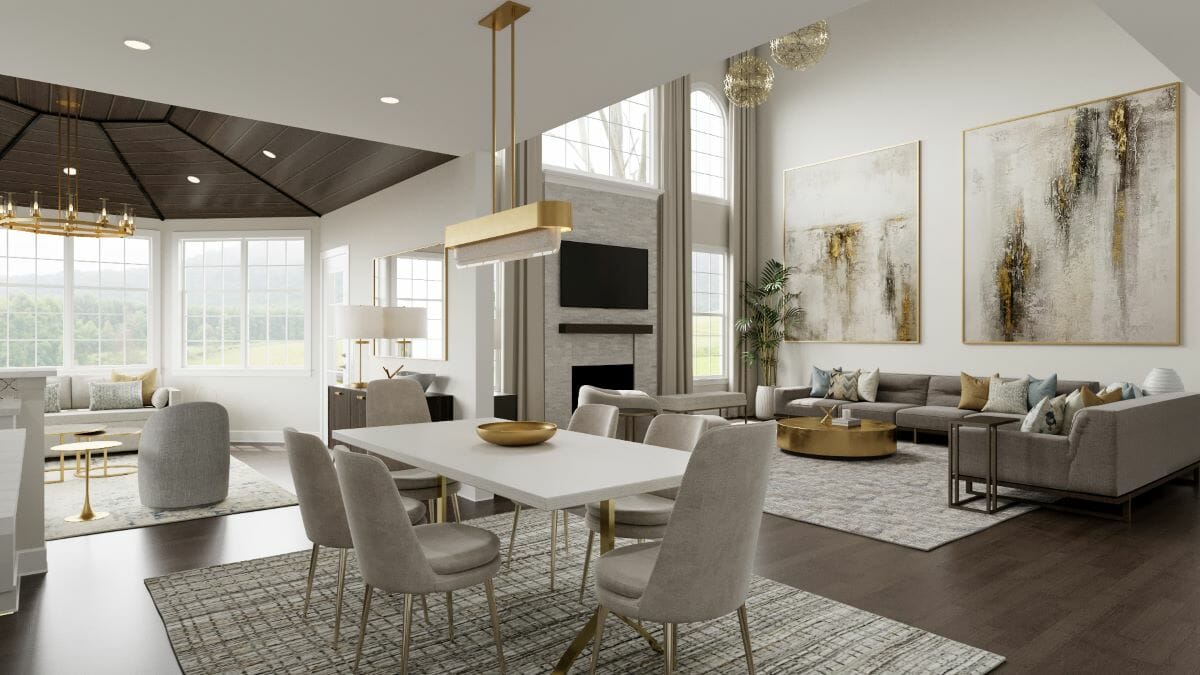
Transform Your Living Room with Biophilia

Transform Your Living Room with Biophilia

Understanding Biophilic Design

Biophilic design isn’t just a trend; it’s a way of connecting our indoor spaces with the natural world. It’s about bringing the calming and restorative effects of nature indoors, improving our well-being and creating a more harmonious living environment. This isn’t about simply adding a few plants; it’s a considered approach that incorporates natural elements in a thoughtful and integrated manner.

Incorporating Natural Light

Natural light is arguably the most crucial element of biophilic design. It regulates our circadian rhythm, boosting mood and energy levels. Maximize natural light in your living room by choosing sheer curtains or blinds that allow ample sunlight to filter through. Consider repositioning furniture to optimize light flow and avoid blocking windows. Skylights are another excellent option if feasible, bringing in even more of nature’s light.

The Power of Plants

Plants are an obvious and effective way to introduce biophilia into your living room. Different plants offer varying benefits; some purify the air, while others simply add visual appeal. Consider a mix of sizes and textures to create visual interest. A large statement plant can anchor the space, complemented by smaller plants placed on shelves or side tables. Don’t forget to choose plants that thrive in your living room’s light conditions.

Natural Materials for Texture and Warmth

The materials you choose for your furniture and décor greatly impact the overall feel of your living room. Opt for natural materials like wood, stone, bamboo, or rattan. These materials add warmth, texture, and a connection to the natural world. A wooden coffee table, a stone fireplace surround, or even woven baskets for storage all contribute to a more biophilic space. The subtle variations in color and grain found in natural materials also add a sense of organic beauty.

Bringing the Outdoors In: Views and Sounds

If your living room overlooks a garden or has a view of nature, make the most of it! Keep windows unobstructed to maximize this connection. Consider adding a bird feeder outside the window to attract wildlife, offering a constant source of natural entertainment. Even the sounds of nature can be incorporated through nature soundscapes played softly on a speaker or simply by opening a window on a calm day to let in the sounds of birds or rustling leaves.

Water Features for a Calming Effect

The gentle sound and visual appeal of water have a remarkably calming effect. A small indoor fountain or even a tabletop water feature can add a significant biophilic element. The subtle sounds of trickling water can help to mask distracting noises and create a more peaceful ambiance. Just ensure that you choose a fountain that’s appropriate for the size of your living room and won’t feel overwhelming.

Color Palettes Inspired by Nature

The colors you use in your living room should also reflect the natural world. Think earthy tones – greens, browns, blues, and creams. These colors evoke a sense of calm and tranquility, complementing the other biophilic elements. You can incorporate these colors through

…
Read More
Biophilic Design Healthier, Happier Spaces

Biophilic Design Healthier, Happier Spaces

What is Biophilic Design?

Biophilic design isn’t just a trendy buzzword; it’s a thoughtful approach to architecture and interior design that seeks to connect building occupants with the natural world. It leverages our innate human affinity for nature, recognizing the profound impact the natural environment has on our well-being. This isn’t about simply adding a few plants here and there; it’s a holistic strategy that incorporates natural elements, patterns, and processes into the built environment to foster a sense of calm, connection, and improved health.

The Science Behind Biophilic Design

Decades of research support the positive effects of biophilic design. Studies consistently show that exposure to nature reduces stress, improves mood, boosts cognitive function, and accelerates healing. Our brains are wired to respond positively to natural light, fresh air, organic materials, and the sights and sounds of nature. By incorporating these elements into our living and working spaces, we can tap into these inherent benefits and create environments that support our physical and mental health.

Bringing the Outdoors In: Natural Elements

One of the most straightforward ways to implement biophilic design is by integrating natural elements. This can involve anything from large windows offering abundant natural light and views of the outdoors, to incorporating living walls or green roofs. Adding houseplants, creating indoor water features (like a small fountain), or using natural materials like wood, stone, and bamboo can also significantly enhance the biophilic quality of a space. The key is to create a sense of visual and tactile connection with the natural world.

Natural Light and Air Quality

Access to natural light is crucial for our circadian rhythm, influencing our sleep patterns and overall energy levels. Maximizing natural light in a space, while minimizing harsh artificial light, is a cornerstone of biophilic design. Similarly, good air quality is paramount. This means ensuring proper ventilation, using non-toxic materials, and potentially incorporating air purification systems to create a fresh and healthy breathing environment. The combined effect of natural light and clean air dramatically improves mood and reduces stress.

Natural Shapes, Patterns, and Textures

Beyond tangible natural elements, biophilic design also considers incorporating natural patterns and textures. Think about the organic forms found in nature – the swirling patterns of a seashell, the branching structure of a tree, or the meandering course of a river. These forms can be incorporated into the design of furniture, flooring, or even wall decorations to subconsciously resonate with our innate appreciation for natural beauty and complexity. The subtle use of these patterns can create a calming and aesthetically pleasing space.

Biophilic Design in Different Settings

The principles of biophilic design can be applied across a wide range of settings, from homes and offices to hospitals and schools. In a home setting, it can create a relaxing and restorative space, improving family well-being. In an office, it can boost productivity and employee morale. In healthcare settings, biophilic design can accelerate patient recovery and reduce stress levels for both patients and staff. The adaptability of this approach allows

…
Read More
Spacious Elegance: Open-Concept Living Brilliance

Spacious Elegance: Open-Concept Living Brilliance

Spacious Elegance: Open-Concept Living Brilliance

Expanding Horizons: Spacious Elegance in Open-Concept Living Rooms

Embrace the contemporary allure of open-concept living rooms, where the merging of spaces creates a harmonious and expansive environment. Explore the design principles, benefits, and styling tips that elevate open-concept living, transforming your home into a haven of spacious elegance.

1. Fluid Connectivity: Breaking Down Walls

The essence of an open-concept living room lies in fluid connectivity. By removing traditional barriers like walls, the space seamlessly integrates living, dining, and kitchen areas. This unification fosters a sense of openness, allowing natural light to flow through and creating an inviting atmosphere.

2. Enhanced Social Interaction: A Welcoming Atmosphere

Open-concept living rooms are designed to enhance social interaction. Whether entertaining guests or enjoying family time, the layout encourages seamless communication and connectivity. The absence of walls fosters a communal atmosphere, making the space inviting for gatherings of all sizes.

3. Natural Light Amplification: Illuminating Brilliance

One of the standout features of open-concept living is the amplification of natural light. With fewer partitions obstructing sunlight, the entire space becomes brighter and more airy. Strategically placed windows and glass doors further contribute to the illumination, creating a refreshing and uplifting environment.

4. Visual Continuity: Cohesive Design Elements

Achieving visual continuity is a key aspect of open-concept living room design. Consistent color schemes, flooring, and décor elements create a cohesive visual flow throughout the interconnected spaces. This continuity enhances the overall aesthetics, making the entire area feel like a harmonious composition.

5. Flexible Furniture Arrangements: Versatility Unleashed

Open-concept living rooms offer the flexibility to experiment with furniture arrangements. Define specific zones within the larger space by strategically placing furniture. From cozy reading nooks to expansive seating areas, the versatility allows homeowners to adapt the layout to their lifestyle and preferences.

6. Maximized Space Perception: Illusion of Grandeur

The removal of walls in open-concept living rooms contributes to an illusion of grandeur. The uninterrupted sightlines make the space appear larger than it is, creating a sense of expansiveness. This optical effect is particularly advantageous in smaller homes, making them feel more spacious and airy.

7. Integration of Functional Zones: Purposeful Design

Open-concept living rooms encourage the integration of functional zones. Define areas for cooking, dining, and relaxation without the constraints of traditional room divisions. This integration not only enhances the flow of daily activities but also promotes a sense of unity within the living space.

8. Adaptable Design: Personalized Expression

The adaptability of open-concept living allows for personalized expression in design. Homeowners can infuse their unique style across the interconnected spaces. From eclectic décor choices to personalized color palettes, the open concept provides a canvas for expressing individual tastes and preferences.

9. Effortless Entertaining: Hosting with Ease

Open-concept living rooms are ideal for hosting gatherings and events. The seamless transition between kitchen and living areas facilitates easy entertaining. Hosts can prepare meals without feeling isolated, ensuring they remain part of the social activity while guests enjoy the inviting and inclusive atmosphere.

10. Transition to Outdoor Spaces: Blurring Boundaries

…
Read More