
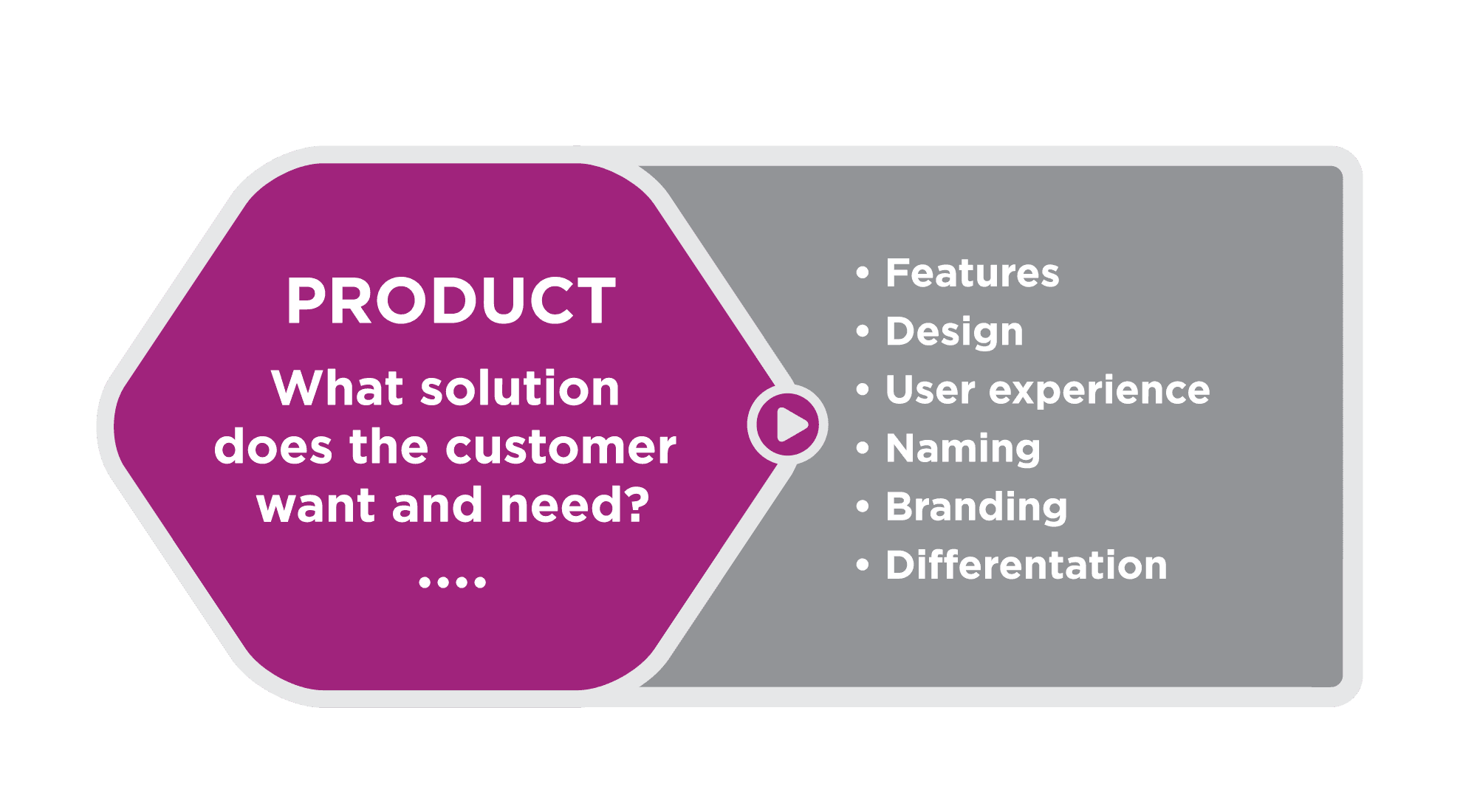
Understanding what constitutes a successful business product line strategy is fundamental for any company aiming for sustainable growth and market relevance. It’s not merely about offering multiple products; it’s a deliberate and calculated approach to organizing, marketing, and developing a range of related offerings under a unified brand or corporate umbrella. This strategic approach allows businesses to cater to diverse customer segments, maximize resource utilization, and build stronger brand equity, ultimately leading to improved profitability and market positioning. A well-executed strategy ensures that each product within the line contributes synergistically to the overall business objectives, rather than competing with one another.

Overview
- A business product line strategy defines how a company organizes and offers a related set of products to the market.
- Success hinges on aligning the product line with overall business goals, market needs, and available resources.
- Effective strategies allow companies to serve varied customer segments and enhance brand perception.
- Strategic planning involves market research, competitive analysis, and clear positioning for each product within the line.
- Ongoing execution requires careful management of product development, marketing, sales, and customer feedback.
- Measurement through key performance indicators (KPIs) is crucial for identifying areas of success and opportunities for adjustment and growth.
- Innovation and adaptability are key for long-term viability and maintaining a competitive edge in dynamic markets.
Defining the Scope of Your Business Product Line
A successful business product line strategy begins with a clear definition of its scope, understanding what products belong together and why. This involves careful market analysis to identify specific customer needs, preferences, and unmet demands that a related group of products can address. It’s about segmenting the market effectively and tailoring offerings to capture different customer groups without diluting the core brand message. For instance, a technology company might offer a product line of laptops ranging from entry-level models for students to high-performance workstations for professionals. Each product serves a distinct need, yet they all fall under the umbrella of personal computing solutions. This clarity helps in allocating development resources, designing targeted marketing campaigns, and building a coherent brand narrative. Without a well-defined scope, products can become disparate, leading to confusion for both customers and internal teams. In a market like the US, where consumer choice is abundant, a focused product line can cut through the noise.
Strategic Planning for Your Business Product Line
Effective strategic planning is at the heart of any successful business product line. This stage involves aligning the product line’s goals with the company’s broader mission and financial objectives. It requires a deep dive into competitive landscapes, assessing strengths and weaknesses of existing and potential rivals. Key considerations include pricing strategies, distribution channels, and how each product in the line differentiates itself from competitors and complements other products within the company’s own portfolio. A well-planned business product line considers the lifecycle of each product, anticipating future market shifts and technological advancements. This forward-thinking approach enables the business to make informed decisions about product introductions, updates, and discontinuations. For example, a food manufacturer might plan a product line extension into organic options, based on growing consumer trends and a desire to capture a new health-conscious segment. This planning minimizes risks and maximizes the potential for market acceptance and long-term profitability.
Executing and Evolving Your Business Product Line
The execution phase of a business product line strategy involves bringing the planned products to market and managing their journey. This includes efficient product development, manufacturing, supply chain management, and robust marketing and sales efforts. Successful execution means ensuring that product launches are well-coordinated, marketing messages resonate with target audiences, and sales teams are equipped with the necessary tools and training. However, success isn’t static. A truly successful business product line strategy also embraces continuous evolution. This means actively collecting customer feedback, monitoring sales performance, and observing market trends to identify opportunities for iteration, improvement, or even expansion. Companies must be agile, willing to make adjustments to product features, pricing, or marketing approaches based on real-world data. Regular reviews help determine if a product is meeting its objectives or if it needs a refresh, repositioning, or perhaps even retirement to make way for new innovations. This dynamic approach keeps the product line relevant and competitive.
Measuring and Optimizing Your Business Product Line Performance
Measuring the performance of a business product line is crucial for understanding its impact and making data-driven decisions for optimization. This involves tracking key performance indicators (KPIs) such as sales volume, revenue growth, profit margins, market share, customer acquisition costs, and customer satisfaction scores for each product and the line as a whole. Regular analysis of these metrics helps identify which products are performing well, which may be struggling, and where resources might be reallocated for better returns. For example, if a particular product in the line consistently underperforms, the business might investigate if it’s due to poor pricing, inadequate marketing, or a misalignment with customer needs. Optimization efforts can then involve refining product features, adjusting pricing strategies, exploring new distribution channels, or even discontinuing underperforming products to focus on more profitable ventures. This continuous cycle of measurement and optimization ensures that the business product line remains aligned with strategic goals, contributes positively to the company’s bottom line, and adapts to changing market conditions over time.

