Building Better Business Outcomes Through Innovation

Building Better Business Outcomes Through Innovation

In today’s rapidly evolving business landscape, the ability to innovate is no longer a luxury but a fundamental necessity for sustained growth and profitability. Organizations that consistently introduce new ideas, products, processes, or business models are better positioned to meet changing customer demands, outmaneuver competitors, and create lasting value. Innovation acts as the primary engine for progress, directly influencing a company’s financial performance, market relevance, and long-term viability. It’s about strategically fostering an environment where new thinking can flourish and be converted into tangible results that propel the business forward.

Overview

  • Innovation is a critical driver for business growth, market relevance, and sustained profitability.
  • Building an innovative culture requires leadership commitment, psychological safety, and dedicated resources for experimentation.
  • Innovation encompasses various forms: products, processes, business models, and marketing strategies.
  • Measuring innovation’s impact involves tracking both quantitative metrics like revenue and qualitative factors such as customer loyalty.
  • Common hurdles to innovation, such as resistance to change or fear of failure, can be overcome with structured approaches and clear communication.
  • Technology, including AI and data analytics, plays a crucial role in enabling faster innovation and better decision-making.
  • Successful innovation leads to tangible returns, including increased profitability, competitive advantage, and improved customer satisfaction.

Understanding the Core of Business Innovation Innovation, at its heart, is about applying new solutions that create value. This goes beyond inventing something entirely new; it often involves improving existing offerings, optimizing internal operations, or finding novel ways to deliver products and services to customers. Businesses that prioritize innovation consistently seek opportunities to refine their methods, challenge status quo assumptions, and adapt to emerging trends. This proactive approach ensures they remain relevant and competitive, constantly seeking efficiencies and new revenue streams. By embedding innovation into their strategic framework, companies can better anticipate market shifts and pivot their operations to capitalize on new opportunities rather than react to them.

Creating a Culture That Breeds New Ideas A thriving innovation culture is not accidental; it is deliberately built and nurtured. Leadership plays a pivotal role in signaling that experimentation and new ideas are valued, even if they sometimes lead to failure. Providing employees with the psychological safety to voice unconventional thoughts without fear of reprisal encourages a more creative and problem-solving mindset. Dedicated time and resources for exploration, cross-functional collaboration, and mechanisms for sharing insights from both successes and setbacks are also vital. When teams feel empowered to question, experiment, and learn, they are more likely to generate groundbreaking concepts that genuinely move the business forward.

Types of Innovation Driving Business Success Innovation manifests in several key forms, each contributing uniquely to business outcomes. Product innovation involves introducing new goods or services, or significantly improving existing ones, to meet customer needs more effectively. Process innovation focuses on refining operational methods, such as supply chain management or manufacturing, to increase efficiency and reduce costs. Business model innovation redefines how a company creates, delivers, and captures value, often by altering revenue streams or distribution channels. Finally, marketing innovation explores new ways to promote products

…
Read More
How can businesses achieve sustainable business growth?

How can businesses achieve sustainable business growth?

Achieving business growth that lasts beyond a single quarter or year is a primary goal for any enterprise, regardless of its size or sector. True sustainability in growth means balancing economic expansion with environmental responsibility and social equity, ensuring the business can thrive without depleting resources or harming its community. It’s about building resilience, adapting to change, and consistently delivering value to customers and stakeholders alike. This kind of growth is not merely about increasing revenue, but about creating a robust, adaptable, and ethically sound operation that can weather economic downturns and capitalize on emerging opportunities.

Overview

  • Sustainable business growth requires a holistic strategy encompassing innovation, customer focus, financial prudence, and strong internal culture.
  • Innovation and market adaptation are crucial for staying competitive and relevant in a rapidly changing global economy.
  • Prioritizing customer loyalty and a strong brand reputation through ethical practices builds long-term value and trust.
  • Sound financial management, including cash flow and debt control, provides the stability needed for ongoing investment and expansion.
  • Cultivating a positive organizational culture and investing in employee development ensures a motivated and skilled workforce.
  • Businesses must integrate environmental and social responsibilities into their operations to foster truly sustainable business growth.

Fostering Innovation and Adaptation for Sustainable Business Growth

For businesses to achieve enduring business growth, a commitment to innovation and continuous adaptation is paramount. The market landscape, especially in the US and globally, is constantly shifting due to technological advancements, evolving consumer preferences, and new competitive pressures. Companies that stagnate risk obsolescence. Sustainable growth demands proactive engagement with research and development, exploring new technologies, and understanding emerging market trends. This doesn’t always mean inventing something entirely new; it can involve improving existing products, optimizing operational processes, or finding new ways to deliver value to customers. Agility is key – the ability to quickly pivot strategies, adopt new tools, and even redefine business models in response to external changes. Investing in future-proofing operations and offerings ensures that the business remains relevant and competitive, laying a solid foundation for consistent expansion.

Prioritizing Customer-Centricity and Brand Reputation for Business Growth

At the heart of any successful business growth strategy lies a deep understanding and unwavering commitment to the customer. Sustainable growth isn’t just about attracting new clients, but about retaining existing ones and fostering their loyalty. This requires a customer-centric approach where feedback is actively sought, analyzed, and used to refine products, services, and experiences. Building strong relationships through exceptional service, personalized interactions, and genuine value creates a base of repeat business and positive word-of-mouth referrals. Furthermore, a strong brand reputation, built on transparency, ethical practices, and corporate social responsibility, significantly contributes to sustainable business growth. Consumers today are increasingly conscious of a company’s values and impact. Businesses that demonstrate integrity and contribute positively to society are more likely to earn trust and long-term patronage, making them more resilient to market fluctuations.

Implementing Sound Financial Management for Resilient Business Growth

Financial stability forms the bedrock of sustainable business growth. While revenue increases

…
Read More
What is a successful business product line strategy?

What is a successful business product line strategy?

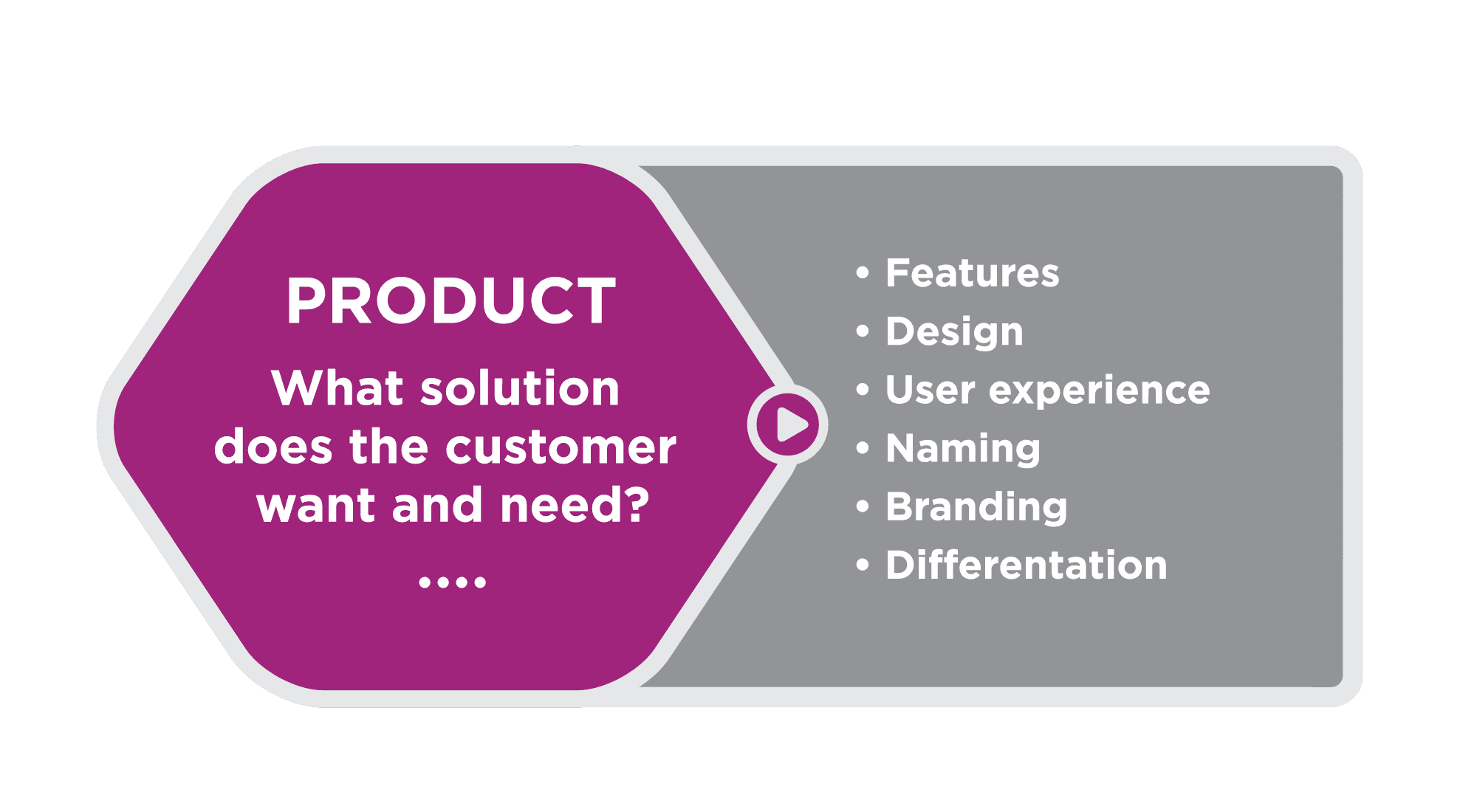
Understanding what constitutes a successful business product line strategy is fundamental for any company aiming for sustainable growth and market relevance. It’s not merely about offering multiple products; it’s a deliberate and calculated approach to organizing, marketing, and developing a range of related offerings under a unified brand or corporate umbrella. This strategic approach allows businesses to cater to diverse customer segments, maximize resource utilization, and build stronger brand equity, ultimately leading to improved profitability and market positioning. A well-executed strategy ensures that each product within the line contributes synergistically to the overall business objectives, rather than competing with one another.

Overview

  • A business product line strategy defines how a company organizes and offers a related set of products to the market.
  • Success hinges on aligning the product line with overall business goals, market needs, and available resources.
  • Effective strategies allow companies to serve varied customer segments and enhance brand perception.
  • Strategic planning involves market research, competitive analysis, and clear positioning for each product within the line.
  • Ongoing execution requires careful management of product development, marketing, sales, and customer feedback.
  • Measurement through key performance indicators (KPIs) is crucial for identifying areas of success and opportunities for adjustment and growth.
  • Innovation and adaptability are key for long-term viability and maintaining a competitive edge in dynamic markets.

Defining the Scope of Your Business Product Line

A successful business product line strategy begins with a clear definition of its scope, understanding what products belong together and why. This involves careful market analysis to identify specific customer needs, preferences, and unmet demands that a related group of products can address. It’s about segmenting the market effectively and tailoring offerings to capture different customer groups without diluting the core brand message. For instance, a technology company might offer a product line of laptops ranging from entry-level models for students to high-performance workstations for professionals. Each product serves a distinct need, yet they all fall under the umbrella of personal computing solutions. This clarity helps in allocating development resources, designing targeted marketing campaigns, and building a coherent brand narrative. Without a well-defined scope, products can become disparate, leading to confusion for both customers and internal teams. In a market like the US, where consumer choice is abundant, a focused product line can cut through the noise.

Strategic Planning for Your Business Product Line

Effective strategic planning is at the heart of any successful business product line. This stage involves aligning the product line’s goals with the company’s broader mission and financial objectives. It requires a deep dive into competitive landscapes, assessing strengths and weaknesses of existing and potential rivals. Key considerations include pricing strategies, distribution channels, and how each product in the line differentiates itself from competitors and complements other products within the company’s own portfolio. A well-planned business product line considers the lifecycle of each product, anticipating future market shifts and technological advancements. This forward-thinking approach enables the business to make informed decisions about product introductions, updates, and discontinuations. For example, a food

…
Read More
PropTech SaaS Global Market Growth Trends

PropTech SaaS Global Market Growth Trends

The global real estate industry is undergoing a massive digital shift, and at the heart of it is PropTech SaaS. Software as a Service (SaaS) solutions are revolutionizing how properties are managed, bought, sold, and even experienced. This article dives into the growth trends of the PropTech SaaS global market, exploring the factors fueling its expansion and what the future holds for this dynamic sector.

Key Takeaways:

  • The PropTech SaaS market is experiencing significant growth driven by the increasing need for efficiency and data-driven decision-making in real estate.
  • Adoption is accelerating across various sectors, including property management, investment, and construction.
  • Geographic expansion is a key trend, with emerging markets showing strong potential.
  • Integration with technologies like AI and IoT is further driving innovation within the PropTech SaaS space, creating new opportunities for us.

Understanding the Growth Drivers of PropTech SaaS

Several factors are contributing to the impressive growth of the PropTech SaaS market. Firstly, the real estate industry, traditionally slow to adopt new technologies, is now embracing digital solutions to stay competitive. SaaS offerings provide accessibility and scalability, making them attractive to businesses of all sizes. Property management companies, for instance, are leveraging PropTech SaaS for tasks like tenant screening, rent collection, and maintenance management, streamlining operations and improving tenant satisfaction.

Secondly, the increasing demand for data-driven decision-making is a major driver. PropTech SaaS platforms offer robust analytics and reporting capabilities, providing valuable insights into market trends, property performance, and investment opportunities. This empowers real estate professionals to make informed choices, optimize portfolios, and maximize returns. The ability to track key performance indicators (KPIs) in real-time is a game-changer for many businesses.

Thirdly, the rise of remote work and virtual property tours has accelerated the adoption of PropTech SaaS. Virtual tours, powered by specialized software, allow potential buyers to explore properties from anywhere in the world, expanding market reach and reducing the need for in-person visits. This has become particularly important in the post-pandemic world.

Key Trends Shaping the PropTech SaaS Market

The PropTech SaaS market is constantly evolving, with several key trends shaping its future. One significant trend is the integration of Artificial Intelligence (AI) and Machine Learning (ML). AI-powered chatbots are providing instant customer support, while ML algorithms are analyzing vast datasets to predict market trends and identify investment opportunities. This integration allows us to see how the PropTech SaaS market will continue to grow.

Another trend is the increasing adoption of Internet of Things (IoT) devices in properties. Smart thermostats, security systems, and other connected devices generate valuable data that can be used to optimize energy consumption, improve security, and enhance the tenant experience. PropTech SaaS platforms are integrating with these IoT devices to provide a centralized management system.

Furthermore, collaboration and partnerships are becoming increasingly common. Established real estate companies are partnering with PropTech SaaS startups to access cutting-edge technologies and accelerate innovation. This collaborative approach fosters a more dynamic and competitive market. The rise of specialized SaaS solutions tailored to specific niches

…
Read More
Cancer Prevention Research Global Market Growth

Cancer Prevention Research Global Market Growth

The global landscape of Cancer Prevention Research is experiencing substantial growth, driven by increasing cancer incidence rates, rising awareness of preventative measures, and significant investments in research and development. This article delves into the key factors fueling this growth, explores current market trends, and highlights the most promising areas of research that are shaping the future of cancer prevention. Understanding these dynamics is crucial for healthcare professionals, researchers, policymakers, and anyone invested in a healthier future for all of us.

Key Takeaways:

  • The Cancer Prevention Research market is growing significantly due to rising cancer rates and increased awareness.
  • Investment in innovative prevention strategies, including lifestyle interventions and early detection technologies, is a major driver.
  • North America currently dominates the market, but the Asia-Pacific region is expected to experience the fastest growth.

Understanding the Growth Drivers of Cancer Prevention Research

The growth of the Cancer Prevention Research market is multifaceted. Firstly, the global burden of cancer is increasing, with projections indicating a continued rise in cases in the coming decades. This alarming trend is pushing governments, healthcare organizations, and private companies to prioritize prevention efforts. Secondly, a growing body of evidence supports the efficacy of various preventative strategies, including lifestyle modifications, vaccinations, and early detection programs. Public awareness campaigns are playing a vital role in disseminating this information and encouraging individuals to adopt healthier behaviors. Finally, substantial investments in research and development are fueling innovation in prevention technologies, diagnostics, and therapeutic interventions. These investments are coming from a variety of sources, including government grants, philanthropic organizations, and private sector companies.

Examining Market Trends in Cancer Prevention Research

The Cancer Prevention Research market encompasses a wide range of activities, including epidemiological studies, clinical trials, biomarker development, and behavioral interventions. Several key trends are shaping the market. One notable trend is the increasing focus on personalized prevention strategies. Researchers are exploring how genetic factors, lifestyle choices, and environmental exposures interact to influence cancer risk. This understanding is leading to the development of tailored prevention plans that are more effective and efficient. Another important trend is the rise of early detection technologies, such as liquid biopsies and advanced imaging techniques. These technologies hold the promise of detecting cancer at its earliest stages, when treatment is most effective. Furthermore, there is a growing emphasis on lifestyle interventions, such as promoting healthy diets, encouraging physical activity, and reducing tobacco use. These interventions have been shown to significantly reduce the risk of developing many types of cancer.

The Regional Dynamics of Cancer Prevention Research

The global Cancer Prevention Research market is geographically diverse. North America currently dominates the market, driven by the presence of leading research institutions, strong government support, and a well-developed healthcare infrastructure. Europe is another major market, with a strong emphasis on public health initiatives and research collaborations. However, the Asia-Pacific region is expected to experience the fastest growth in the coming years. This growth is driven by increasing cancer incidence rates, rising healthcare expenditures, and a growing awareness of the importance of

…
Read More
Commercial Building Construction Unveiling Architectural Marvels

Commercial Building Construction Unveiling Architectural Marvels

Commercial Building Construction Unveiling Architectural Marvels

Unveiling Architectural Marvels: The World of Commercial Building Construction

Delving into the realm of commercial building construction unveils a world where architectural ingenuity meets structural prowess. Let’s embark on a journey to explore the intricacies of this dynamic industry, where towering skyscrapers and bustling commercial complexes shape the urban landscape.

A Symphony of Design and Functionality

Commercial building construction is a harmonious blend of design and functionality, where form follows function to create spaces that inspire awe and serve practical purposes. Architects and engineers collaborate to envision structures that not only captivate the eye but also meet the diverse needs of businesses and communities.

Engineering Marvels That Defy Gravity

From soaring skyscrapers to sprawling shopping centers, commercial building construction is synonymous with engineering marvels that defy gravity. These feats of structural engineering push the boundaries of what’s possible, utilizing innovative materials and cutting-edge techniques to achieve unprecedented heights and spans.

Innovation Driving Progress

At the forefront of commercial building construction lies innovation, driving progress and reshaping skylines around the world. Advancements in technology, such as Building Information Modeling (BIM) and prefabrication, streamline the construction process, enhancing efficiency and reducing waste. Meanwhile, sustainable practices and green building initiatives pave the way for a more environmentally conscious future.

Tailored Solutions for Diverse Needs

One size does not fit all in the realm of commercial building construction. Each project presents unique challenges and requirements, calling for tailored solutions that address specific needs. Whether it’s a sleek office tower, a state-of-the-art healthcare facility, or a vibrant mixed-use development, builders and developers collaborate to bring visions to life.

The Heartbeat of Urban Development

Commercial building construction is the heartbeat of urban development, driving economic growth and revitalizing cityscapes. These iconic structures serve as landmarks and catalysts for progress, attracting businesses, tourists, and residents alike. They foster vibrant communities where people live, work, and play, shaping the fabric of society.

Precision and Attention to Detail

Behind every architectural masterpiece lies meticulous planning and execution. Commercial building construction demands precision and attention to detail at every stage, from site preparation and foundation work to finishing touches and interior design. Skilled craftsmen and tradespeople collaborate seamlessly to ensure that every aspect of the project meets exacting standards.

Safety First, Always

Amidst the grandeur and excitement of commercial building construction, safety remains paramount. Builders and contractors prioritize the well-being of workers and the public, implementing rigorous safety protocols and adhering to strict regulations. By fostering a culture of safety and accountability, they create environments where everyone can thrive.

Local Expertise, Global Impact

For those seeking excellence in commercial building construction, Commercial Building Construction offers access to a curated selection of industry-leading professionals. These local experts bring a wealth of knowledge and experience to projects of all sizes and scopes, delivering quality craftsmanship and exceptional results.

Building the Future, One Project at a Time

In essence, commercial building construction is more than just erecting structures—it’s about building the future. With each project, architects, engineers, builders, and developers leave an indelible

…
Read More
Design Build Company Crafting Your Dream Space

Design Build Company Crafting Your Dream Space

Design Build Company Crafting Your Dream Space


Crafting Your Dream Space: Exploring the Design Build Company


Embarking on a home renovation or construction project is an exciting journey that holds the promise of transforming your living space into the home of your dreams. However, finding the right team of professionals to bring your vision to life is crucial for ensuring a successful outcome. Here’s a comprehensive guide to help you navigate the process and choose the best design build company for your project.


Understanding the Design Build Approach

The design build approach is a streamlined method of project delivery that combines the architectural design and construction phases into a single, cohesive process. Unlike traditional methods that involve separate architects, engineers, and contractors, design build companies manage every aspect of the project from conception to completion. This integrated approach fosters collaboration, efficiency, and communication, resulting in a smoother and more cost-effective construction experience.


Benefits of Choosing a Design Build Company

Opting for a design build company offers numerous advantages over traditional construction methods. By consolidating design and construction services under one roof, you benefit from seamless coordination, faster project timelines, and reduced costs. Design build firms take full accountability for the entire project, eliminating the need for multiple contracts, negotiations, and potential conflicts between architects and contractors. Additionally, the design build model encourages innovation, creativity, and flexibility, allowing for greater customization and personalization of your space.


Comprehensive Design Services

One of the key strengths of design build companies is their comprehensive range of design services. From initial concept development and architectural drawings to interior design, material selection, and 3D renderings, they offer a full suite of design solutions tailored to your specific needs and preferences. Whether you’re renovating a single room or building a custom home from the ground up, design build firms have the expertise and resources to turn your vision into reality.


Expert Construction and Project Management

In addition to design services, design build companies excel in construction and project management. With experienced builders, skilled craftsmen, and dedicated project managers on staff, they oversee every aspect of the construction process with precision and attention to detail. From site preparation and foundation work to framing, plumbing, electrical, and finishing touches, they ensure that your project stays on schedule and within budget while maintaining the highest standards of quality craftsmanship.


Collaborative Approach and Client Involvement

Central to the success of any design build project is open communication and collaboration between the client and the design build team. Design build companies prioritize client involvement throughout the entire process, soliciting feedback, addressing concerns, and keeping you informed every step of the way. Whether through regular meetings, site visits, or virtual communication channels, they strive to create a collaborative and transparent environment where your input is valued and respected.


Innovative Design Solutions

Design build companies leverage their expertise and creativity to deliver innovative design solutions that enhance the functionality, aesthetics, and sustainability of your space. By staying abreast of the latest trends, technologies, and materials in the industry, they incorporate cutting-edge

…
Read More
Luxury Living High-End Home Builders

Luxury Living High-End Home Builders

Luxury Living High-End Home Builders

Luxury Living: Unveiling High-End Home Builders

In the world of luxury real estate, high-end home builders stand as architects of opulence, crafting dream residences that epitomize elegance, sophistication, and innovation. These master craftsmen are revered for their ability to transform visions of grandeur into tangible marvels of architectural excellence.

The Epitome of Luxury

High-end home builders are synonymous with luxury, known for their unwavering commitment to excellence and their meticulous attention to detail. From sprawling estates to lavish penthouses, they specialize in creating homes that redefine the concept of luxury living. With their unparalleled expertise and creativity, they turn dreams into reality, elevating the standard of residential design to new heights.

Bespoke Design

At the heart of every high-end home is a bespoke design that reflects the unique tastes and preferences of its owner. High-end home builders excel at creating custom residences that are tailored to the individual needs and desires of their clients. From the initial concept to the final execution, they work closely with homeowners, architects, and designers to bring their vision to life, ensuring that every aspect of the home is imbued with personal style and flair.

Innovative Features

Innovation is a hallmark of high-end home construction, with builders constantly pushing the boundaries of design and technology to create homes that are both functional and forward-thinking. From state-of-the-art smart home systems to eco-friendly features and sustainable materials, they incorporate the latest advancements into their projects, setting new standards for luxury living.

Exquisite Craftsmanship

Exquisite craftsmanship is the foundation of every high-end home, with builders employing the finest artisans and tradespeople to bring their visions to fruition. From handcrafted millwork to bespoke finishes and architectural details, every element of a high-end home is meticulously crafted to perfection, resulting in a residence that exudes luxury and refinement.

Attention to Detail

Attention to detail is paramount in high-end home construction, with builders leaving no stone unturned in their quest for perfection. From the selection of materials to the placement of every fixture and fitting, every decision is made with precision and care, ensuring that every aspect of the home is executed to the highest standard.

Exceptional Service

Exceptional service is a hallmark of high-end home builders, with builders going above and beyond to exceed their clients’ expectations. From the initial consultation to the final walkthrough, they provide personalized attention and support every step of the way, ensuring a seamless and stress-free experience for their clients.

Global Presence

High-end home builders are not bound by geographical limitations, with projects spanning the globe from cosmopolitan cities to idyllic resort destinations. With their international reach and expertise, they cater to the diverse needs and tastes of clients around the world, creating homes that are as unique and diverse as their owners.

Creating Legacies

In essence, high-end home builders are not just in the business of building homes—they are in the business of creating legacies. With their expertise, creativity, and dedication to excellence, they leave an indelible mark on the landscape of luxury real

…
Read More
Contemporary Design Aesthetics: Harmonizing Form and Function

Contemporary Design Aesthetics: Harmonizing Form and Function

Contemporary Design Aesthetics: Harmonizing Form and Function

Contemporary design aesthetics play a pivotal role in shaping the visual landscape of our surroundings. From architecture to interior decor, the principles of contemporary design seamlessly blend form and function to create spaces that are not only aesthetically pleasing but also highly practical.

The Fusion of Form and Function

At the core of contemporary design aesthetics is the harmonious fusion of form and function. Unlike traditional styles that may prioritize ornate embellishments, contemporary design focuses on clean lines, minimalism, and the efficient utilization of space. This approach results in environments that not only look appealing but also serve a purpose in our modern lives.

Simplicity as Elegance

One of the key principles of contemporary design is the celebration of simplicity as elegance. Clean and uncluttered spaces are adorned with carefully chosen elements that contribute to the overall aesthetic without overwhelming the senses. This emphasis on simplicity creates an atmosphere of sophistication and timelessness.

Innovative Materials and Technology

Contemporary design embraces the use of innovative materials and technology to push the boundaries of creativity. From sleek glass and metal structures to cutting-edge smart home systems, designers leverage the latest advancements to enhance both the visual and functional aspects of a space. This integration of technology seamlessly aligns with the demands of our modern, fast-paced lifestyles.

Neutral Color Palettes with Bold Accents

Neutral color palettes are a hallmark of contemporary design, with whites, grays, and earth tones dominating the color scheme. However, bold accents are strategically introduced to add personality and visual interest. A pop of vibrant color or the use of textured materials can transform a neutral space into a dynamic and engaging environment.

Open Concept Living

The concept of open living spaces is a significant characteristic of contemporary design. Removing unnecessary walls and barriers promotes a sense of flow and connectivity between different areas. This open layout not only enhances the overall spatial experience but also allows for greater flexibility in how a space can be used.

Contemporary Design Aesthetics in Action

To truly appreciate the impact of contemporary design aesthetics, one need only look at real-world examples. Modern skyscrapers with their sleek facades, minimalist interiors with carefully curated furniture, and public spaces designed for both beauty and utility all showcase the principles of contemporary design at work.

In fact, if you explore the vibrant visuals at WallscreenHD, you’ll witness a curated collection of contemporary design aesthetics in the form of stunning wallpapers. These high-quality images capture the essence of clean lines, innovative materials, and a celebration of simplicity that characterizes contemporary design.

Conclusion: A Timeless Approach to Modern Living

Contemporary design aesthetics offer a timeless approach to modern living. By prioritizing simplicity, functionality, and innovation, designers create spaces that resonate with the demands of our fast-paced, technology-driven world. Whether in architecture, interior design, or digital art, the principles of contemporary design continue to shape and redefine our visual landscape.

…
Read More